Film Review: Kodak Gold 200
Trying different film stocks is a great way to shape your visual style as a film photographer. In my Film Review series, I reflect on my experience shooting various film stocks and share sample images from the roll to help you decide if this film stock is worth a try.
I have strong feelings about Kodak Gold 200... I love it! In my experience, this budget-friendly film never disappoints. If you’re searching for a reliable film with a nostalgic touch, load a roll of Kodak Gold and head outside.
What Makes Kodak Gold Special
Crafted to deliver consistently delightful tones, Kodak Gold is a true classic that's been around in 35mm since the mid-80s. It's a budget-friendly color negative film stock known for delivering sun-kissed vibes without breaking the bank, making it perfect for everyday photography. With fine grain and nostalgic warmth, this film wows me every time. Over the last few years, I've shot more than 50 rolls of Kodak Gold for client and personal projects, and I think it might be the most underrated film available.
How Kodak Gold Stole My Heart
I grew up in a time when film was the only option, so over the years, I've shot plenty of stocks without thinking much about their cost; I just picked up whatever film was available at the camera store. Back in the day, my go-to 120 film stock was Fuji Pro 400H (RIP), and while Kodak Portra is an obvious favorite for many professionals (especially in medium format), it's just so. dang. expensive. I can't bring myself to use Portra for personal projects.
As film stock prices skyrocket, there's a lot more consideration about film choice these days. Kodak Gold is still being produced, so it's easy to find online or in most film labs. And did I mention that it's a lot cheaper than Kodak Portra?!
The 120 format was released in 2022, which, luckily, coincided with the time I restored my grandfather's Rolleiflex and returned to medium-format film photography. Perfect timing! I often reached for Kodak Gold 200 in 120 format during my Rolleiflex Challenge simply because there aren't many medium-format film options to try. As it turned out, this budget-friendly 120 film became one of my favorites.
Don’t sleep on this dreamy film, With a wide exposure latitude, Gold handles over-and-underexposure well, and that’s also great for anyone still learning or building confidence with shooting film. These days, deciding between a fun night out and stocking up on film is a sacrificial choice we analog photographers have to make.
Sometimes budget is better. Don't get me wrong, Portra is great, and if that's in your budget, go for it! But I think people easily caught up in the hype of shooting Kodak Portra, while Gold is affordable and reliable. And in my experience, affordability matters even more in medium format film photography, where you're working with only 10–12 frames per roll.
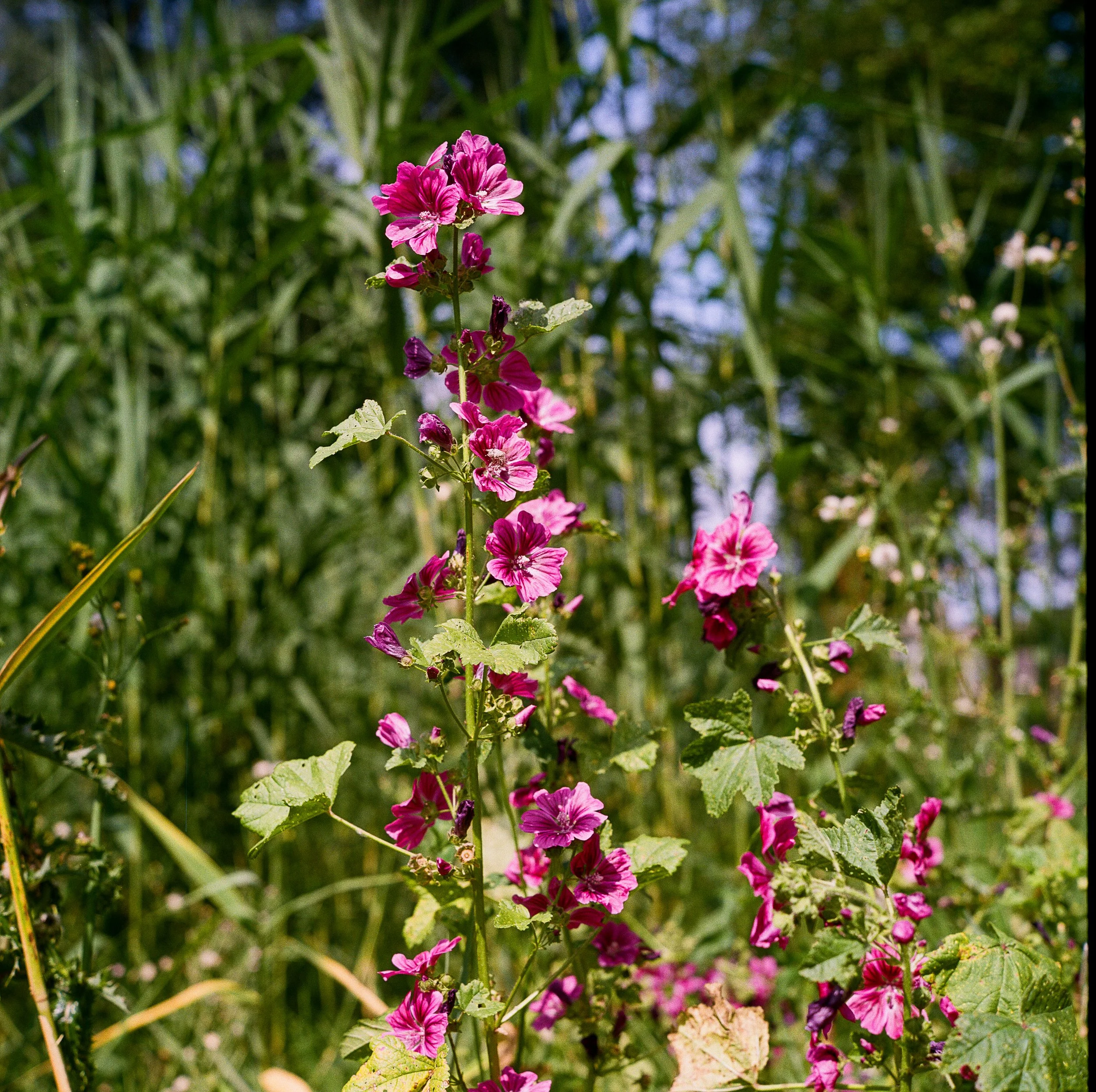
Below: An assortment of images shot with my Rolleiflex & Kodak Gold



Thanks for reading! I offer helpful resources on travel, film, and photography. Found this useful? Pass this story along to a friend or donate a roll of film to support this type of free content.
Kodak Gold is Perfect for Beginners
New to shooting film? Getting comfortable with analog photography simply takes practice, so you can expect to burn through a lot of film before getting reliable images. Fortunately, Kodak Gold 200 sits on the affordable side of the film stock spectrum, making it a solid entry point for beginners. This might help take pressure off newbies, so y’all can focus on composition and gaining confidence with your camera and worry less about getting a perfect frame. So, should your first 20 rolls be Kodak Gold? Probably! It's beloved by experienced shooters thanks to its classic look, forgiving exposure range, beautiful results, and affordable price.
Tips for Shooting Kodak Gold
At ISO 200, this film stock is hungry for sunlight, and since natural light is at the heart of most of my imagery, we're a perfect match. Amsterdam's light can be fickle, one minute it's golden, the next it's grey but Kodak Gold softens on cloudy days, adding a comforting warm touch that I really enjoy.
The only catch? Kodak Gold isn’t ideal for night photography, and since it's daylight-balanced, you'll need to make adjustments if shooting in a studio with tungsten lighting. Side note: So, if you've been successful using Kodak Gold with artificial lighting, let me know—I'd love to learn!
Gold 200 has personality and never fails to shine with nicely saturated tones, golden yellows, soft oranges, and muted greens that create a sense of realism. And if you like shooting portraits, Kodak Gold 200 renders skin tones quite well.
Kodak Gold 200 in Medium Format
Over the last two years alone, I’ve shot over 50 rolls of Kodak Gold, and this film stock is especially a favorite for nature photography. Check out some of my favorite Kodak Gold images below, and discover more on my YouTube channel.

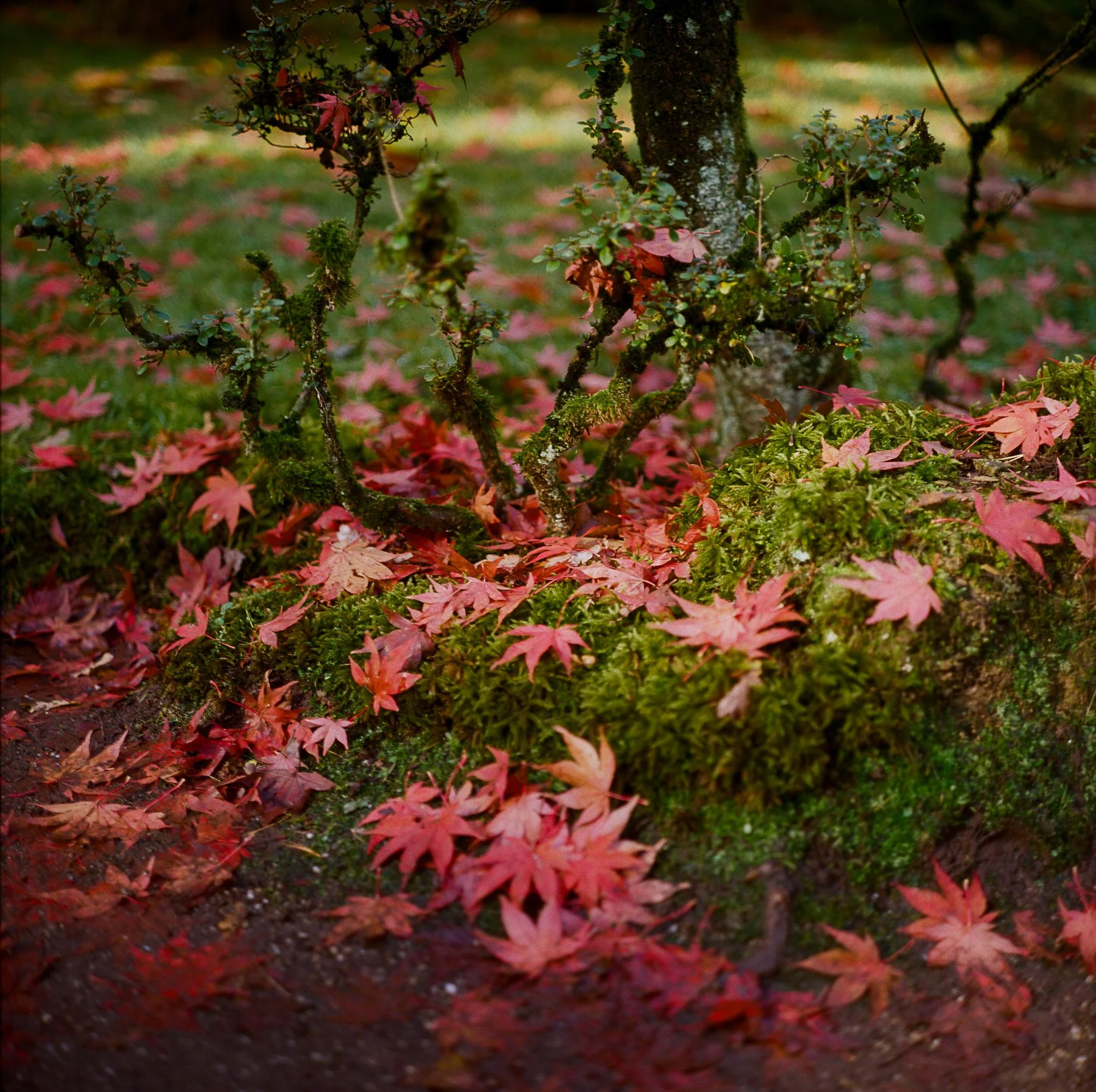


Japanese Gardens
Autumn textures and dappled light. Kodak Gold 200 has a warmth that enhances the orange and yellow tones of foliage, especially preserving the rich colors of the Japanese maple.
Early light in the Generalife Gardens
Look at how Kodak Gold handled bright sun and deep shadows, it's impressive for a budget-friendly film.


Butterfly Gardens in Amsterdam
I’m in love with how Kodak Gold creates dreamy tones and saturated colors, which are perfect for nature photography.
Have you shot Kodak Gold before? I’d love to hear your thoughts! Feel free to share a link to your own photos in the comments below.
If you found this review helpful, share it with another film photographer who might enjoy it too.
